
In the Era of Streaming, Why Do We Still Download FLAC? | iPlayer Deep Dive
In the Era of Streaming, Why Do We Still Download FLAC?
Summary (TL;DR)
With millions of songs at our fingertips on our phones, is this truly the ultimate form of music? This article reveals three core reasons why audiophiles still download FLAC: from uncompromising "bit-perfect" sound quality to digital asset ownership that counters "subscription anxiety," and the ritualistic nature of local management. We’ll explore how professional tools like iPlayer help build your own private music museum amidst the digital flood.
The Paradox of the Streaming Era: Cloud vs. Hard Drive
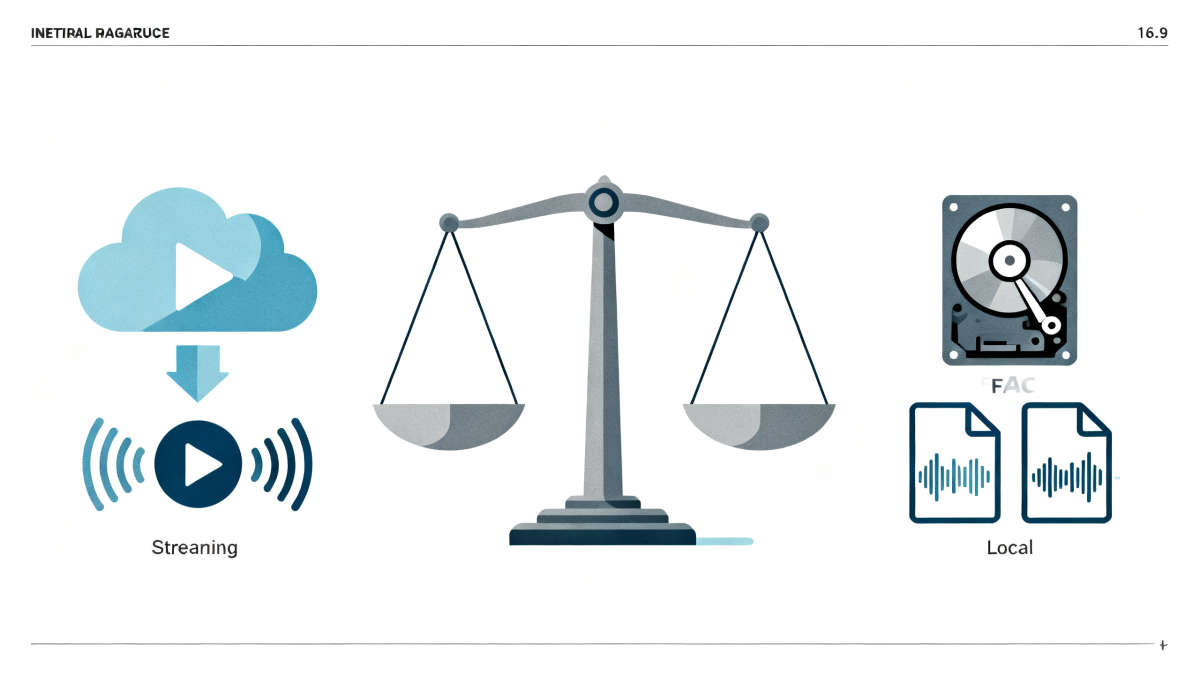
Open your phone—Apple Music, Spotify, Tidal... tens of millions of songs are waiting in the cloud. For a small monthly fee, you can put the entire world of music in your pocket. It sounds like the ultimate evolution of music: infinite, convenient, and always online.
But why are there still dozens of gigabytes of FLAC files hidden on your hard drive? Why do those who call themselves "audiophiles" still watch download progress bars late at night, hoarding 24-bit/192kHz master-quality tracks like grain for the winter?
We are not being nostalgic, nor are we afraid of technology. We are consciously resisting.
When you press play, you think you’re hearing "lossless." But from the server to your ears, the data travels a path paved with compromises. Bandwidth ceilings of Bluetooth encoding, clock jitter during Wi-Fi transmission, low-level resampling in the OS... every link can steal a bit of detail or a layer of "airiness." Locally played FLAC files, however, read every bit precisely from the hard drive—a direct replica of the studio master.
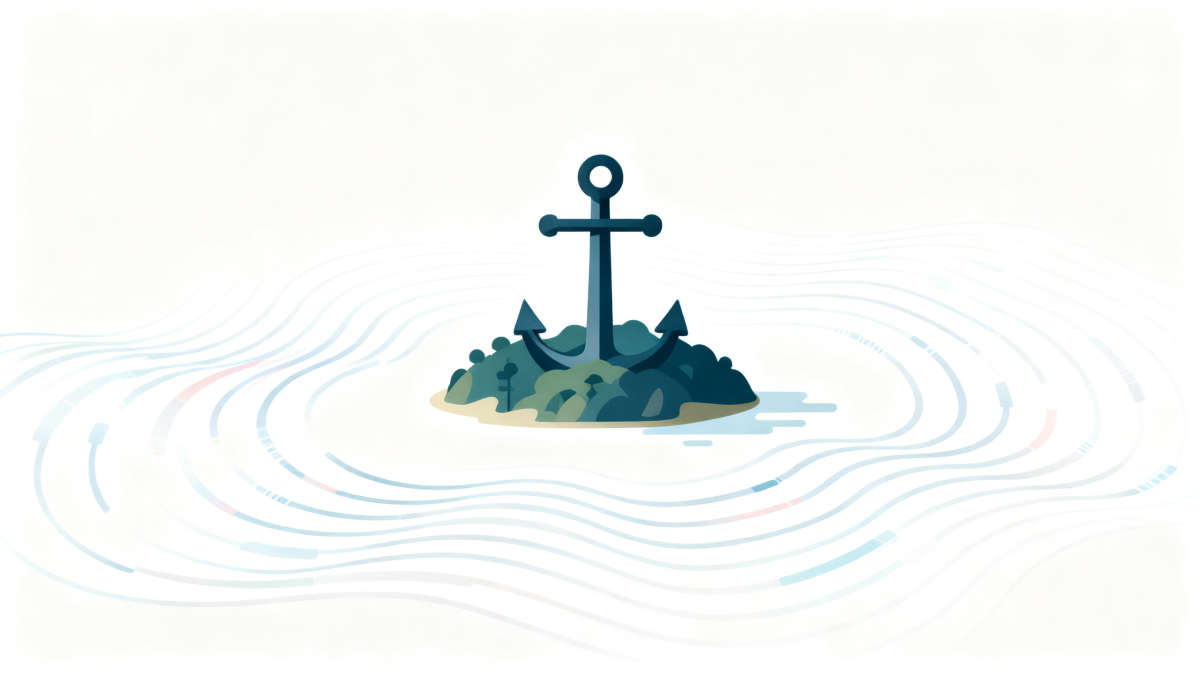
More realistically, the musical world you build on streaming is essentially a "lease." Expiring copyrights, platform strategy shifts, or even a casual takedown notice can turn your carefully curated playlists gray in an instant. Downloading FLAC is about creating an island for yourself in the flood of streaming—an island free from compression trade-offs and copyright wars, where the connection between you and the music is primal and certain. This island is called "Ownership."
The Truth About Sound Quality: Loss Behind Lossless
The word "lossless" is used too lightly in the streaming world. While platforms claim to offer "lossless" or "master-quality" audio, comparing them to a local FLAC file often tells a different story—especially in terms of high-frequency extension, soundstage width, and instrumental separation.
The "Bit-Perfect" Promise of FLAC
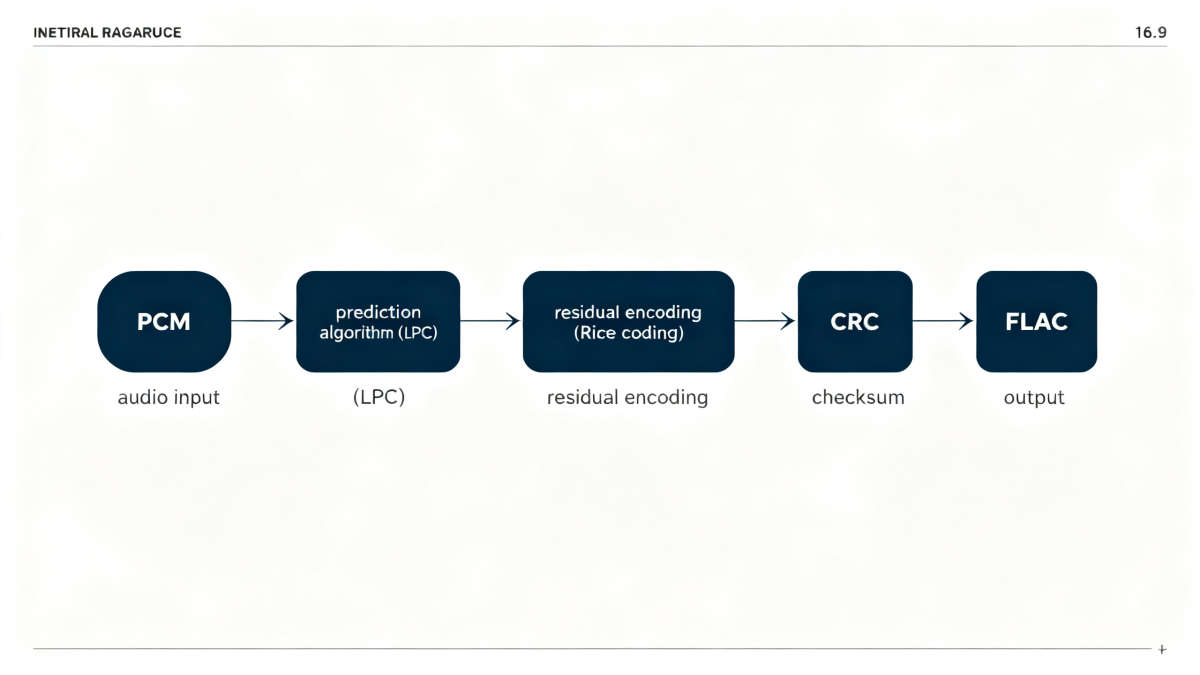
FLAC (Free Lossless Audio Codec) doesn't work like MP3 by cutting off frequencies the human ear "can't hear." Instead, it uses linear prediction and Rice coding to reduce file size while ensuring every single bit is perfectly restored via CRC checks and MD5 signatures. A FLAC file ripped from a CD is identical to the original PCM data, making it a "digital negative" of your music.
The "Loss Chain" of Streaming Transmission
Streaming "lossless" often stops at the server. To reach your ears, the data must cross a complex chain of potential degradation:
- Bluetooth Bottlenecks: Even LDAC, with bitrates near 1Mbps, will automatically downsample if the signal is unstable.
- Wi-Fi Jitter: AirPlay 2 sometimes downgrades to lossy AAC for multi-room sync, and DLNA requires extreme network stability.
- System Interference: Android and iOS often force resample (SRC) audio to 48kHz, introducing subtle distortion and high-frequency "harshness."
- Clock Jitter: Unstable packet arrival times cause the DAC to reconstruct waveforms with timing errors, affecting the "stability" of the sound.
Local playback with a player like iPlayer that supports Exclusive Mode bypasses this entire chain, achieving the most direct signal path possible.
Returning to Ownership: From Leasing to Eternity
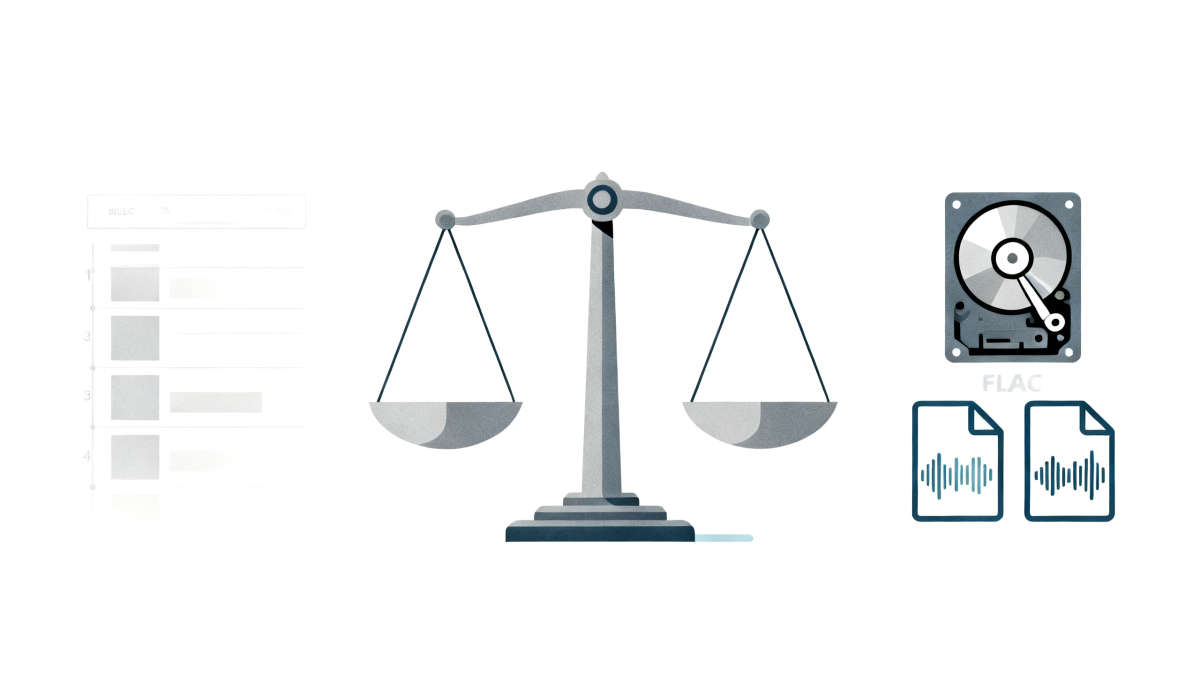
Streaming has taught us a new way to consume music: leasing. Access for a monthly fee. This model is lightweight—until you realize the song that accompanied you through countless nights has suddenly turned gray.
Copyright Takedowns: Digital Collective Trauma
From the 2015 "strictest copyright order" in China to major artists pulling libraries from platforms, every copyright shift is an earthquake for user musical memories. What you build on streaming is like a palace built on shifting sands.
The Psychological Shift: From "Access" to "Ownership"
Ownership is a profound psychological need. Downloading FLAC is about rebuilding this sense of possession in the digital realm. You aren't just "accessing" a data stream; you are placing a complete digital copy of the music in your private storage. Editing perfect tags and embedding high-res covers is a form of Curation—you are no longer a passive consumer, but a guardian.
💡 The Possibility of Eternity
A local music library means certainty. Ten or twenty years from now, when you want to hear that old song again, it will still be there, with the same quality, silenced by no copyright dispute.
Practice Guide: How to Build Your Local Music Library
Step 1: Acquiring Source Files
The foundation of a high-quality library is legal source files. You can purchase 24-bit/192kHz master-quality files from digital stores like HDtracks or Bandcamp, or use professional software like EAC to accurately rip CD copies.
Step 2: Organizing and Tagging
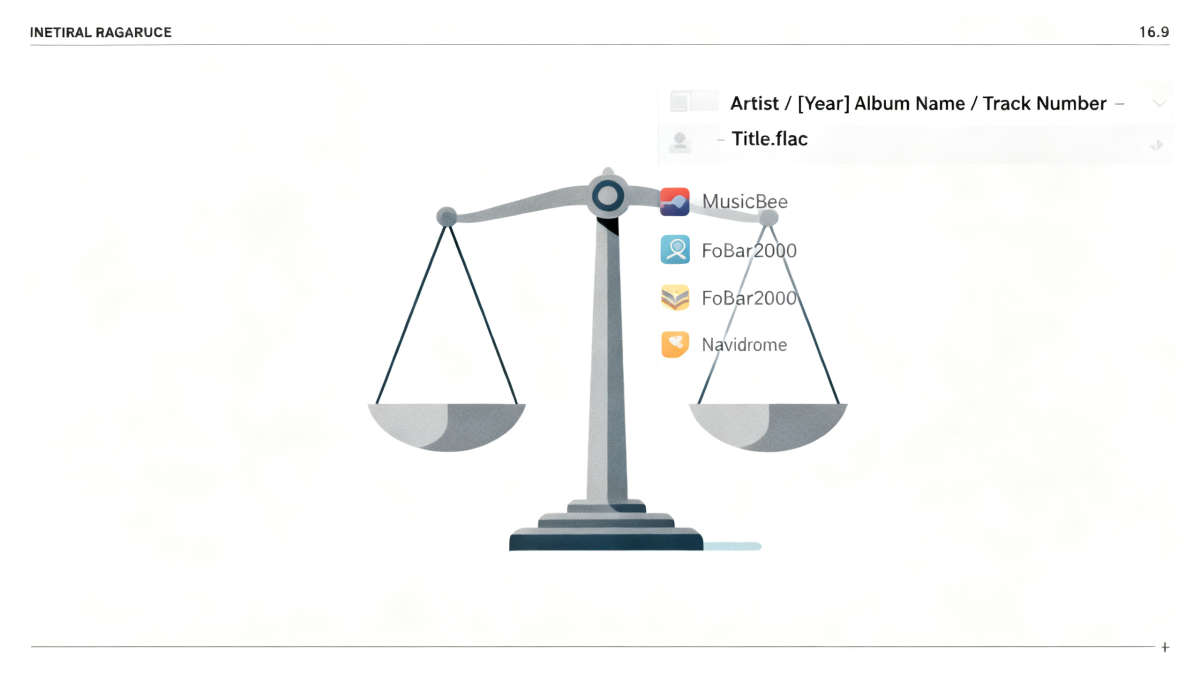
Establish a standardized folder structure and use specialized tools to complete metadata.
- Recommended Tools: MusicBrainz Picard (smart identification), Mp3tag (batch editing), or local specialized taggers.
- Embed Lyrics: Embed LRC lyrics into your audio files for synchronized display.
Step 3: Playback and Management — The iPlayer Choice
For iOS users, iPlayer provides a "command center" worthy of these high-quality files:
- Hi-Res Decoding: Full support for FLAC, WAV, DSD, and more, unleashing your hardware's potential.
- Simple Transfer: No iTunes required. Transfer via Wi-Fi or cloud drive import in seconds.
- Exclusive Mode: Bypasses system SRC for pure, bit-perfect output.
- Offline First: Optimized for no-network environments—music never stops.
Step 4: Backup Strategy
Follow the 3-2-1 Backup Rule: Three copies, two different media, one off-site.
Conclusion: Slowing Down in a Fast Era
Streaming is fast food—grab and go. Local FLAC is a home-cooked gourmet meal—meant to be savored. In an era where everything is subscripable, keeping the habit of "downloading" is a small act of rebellion. Rebellion against the "everything is leasable" business logic and the "good enough" experience downgrade.
It reminds us that music is not just background noise; it can be an art form that deserves to be treated seriously, preserved fully, and enjoyed privately. Choosing FLAC is choosing a point of certainty in an uncertain world.
🎧 Ready to Return to a Pure Music Experience?
Let iPlayer be the home for your FLAC lossless collection and start your high-fidelity auditory journey.
- 🔊 Exclusive mode for ultimate sound quality
- 📂 Powerful folder management features
- ✨ Pure interface, returning to the heart of listening
Author: iPlayer Editorial Department
Published in: iPlayer Official Blog